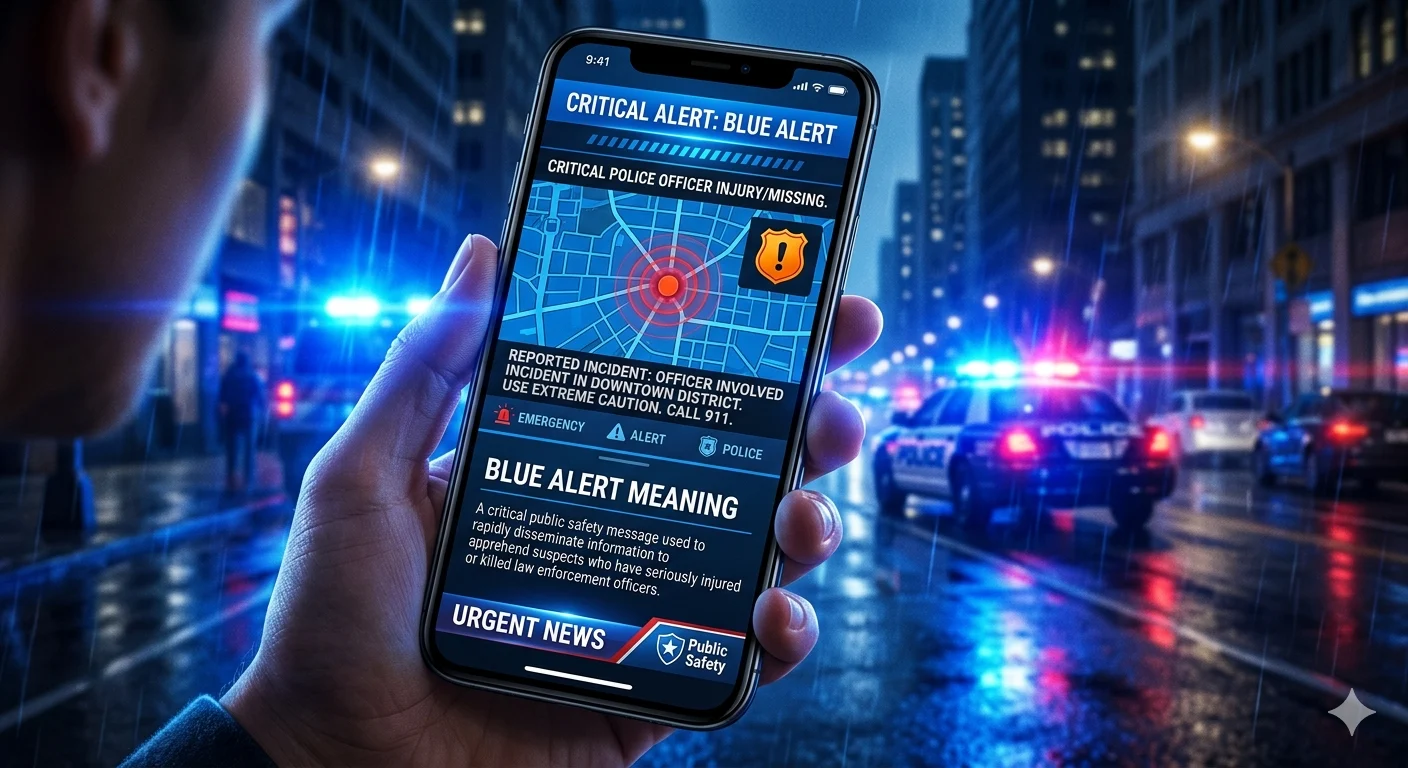
Did a sudden “Blue Alert” pop up on your phone or TV and make you stop because you weren’t sure what it meant or whether something serious was happening? These alerts can feel alarming and confusing, especially when they appear without explanation.
A Blue Alert is an emergency notification sent to the public when a law enforcement officer has been seriously injured, killed, or is under immediate threat, and authorities need help locating a suspect.
It is a critical public safety system designed to spread urgent information quickly, but many people confuse it with weather alerts or general emergency warnings.
In this guide, you’ll learn exactly what a Blue Alert means, when it is issued, what it looks like, and whether you need to take action when you receive one.
By the end, you’ll clearly understand how Blue Alerts work and why they are an important part of emergency communication.
Why People Panic After Receiving a Blue Alert
One reason Blue Alerts trend heavily online is because emergency phone notifications can feel sudden, loud, and alarming.
Many people immediately wonder:
- Is there danger near me?
- Is this a weather emergency?
- Is there an active shooter nearby?
- Should I stay indoors?
- Why did everyone’s phones go off?
This confusion happens because Blue Alerts are often sent through the same emergency notification systems used for severe weather warnings, AMBER Alerts, and public safety emergencies.
In reality, most Blue Alerts are precautionary public safety notifications designed to spread important information quickly — not automatic stay-at-home orders.
Understanding the purpose of Blue Alerts helps reduce panic, prevent misinformation, and improve public awareness during dangerous situations.
What Is the Meaning of Blue Alert?
A Blue Alert is an emergency public safety notification issued when a law enforcement officer has been:
- Seriously injured
- Killed
- Attacked
- Threatened
- Or reported missing while on duty
These alerts are used when authorities believe the suspect may pose a serious danger to the public or police officers.
In simple terms:
A Blue Alert warns the public about dangerous suspects connected to attacks on law enforcement officers.
Blue Alerts may appear through:
- Smartphone emergency notifications
- TV broadcasts
- Radio announcements
- Highway electronic signs
- State emergency systems
- News alerts
The goal is to quickly spread information that could help authorities identify suspects and improve public safety.
Blue Alert Meaning
| Search Query | Meaning |
|---|---|
| Blue alert meaning | Public safety alert related to law enforcement emergencies |
| Blue Alert near me | Local or regional law enforcement emergency alert |
| Blue Alert Memphis TN | Tennessee law enforcement emergency notification |
| Blue alert meaning hospital | Different meaning related to hospital emergencies |
| Blue alert meaning weather | Often confused with weather alerts but unrelated |
| Blue Alert meaning AMBER Alert | Similar alert system but focused on police officers |
| TN Blue Alert meaning | Tennessee Blue Alert emergency system |
| Florida Blue Alert meaning | Florida law enforcement emergency notification |
Why Was Blue Alert Issued Today?
One of the most searched questions online is:
“Why was Blue Alert issued today?”
Blue Alerts are issued when authorities need urgent public assistance after a serious incident involving law enforcement officers.
A Blue Alert may be activated if:
- A police officer was shot or attacked
- A suspect escaped after harming law enforcement
- Authorities believe the suspect is dangerous
- Immediate public awareness could help locate the suspect
The alert usually includes important details such as:
- Suspect description
- Vehicle information
- Last known location
- Emergency instructions
Because these alerts are urgent, they often trigger loud emergency sounds on mobile phones.
Origin and History of the Blue Alert System
The Blue Alert system began in the United States in 2008.
It was inspired by the success of the AMBER Alert system used for missing and abducted children.
The goal was to create a fast emergency communication network focused specifically on law enforcement safety.
National Blue Alert Act
In 2015, the United States government passed the National Blue Alert Act.
This law helped establish a coordinated nationwide Blue Alert network supported by the U.S. Department of Justice.
Since then, Blue Alerts have become increasingly common across:
- Tennessee
- Texas
- Florida
- North Carolina
- South Carolina
- Missouri
- Other U.S. states
Today, many states operate their own emergency Blue Alert systems while following national guidelines.
Blue Alert Meaning in Different Contexts
The phrase “Blue Alert” can mean slightly different things depending on where and how it’s used.
| Context | Meaning |
|---|---|
| Public Safety | Emergency alert related to attacks on law enforcement officers |
| Law Enforcement | Dangerous suspect notification |
| Hospitals | Medical emergency code in some facilities |
| Weather Searches | Frequently confused with storm or typhoon warnings |
| News Coverage | Breaking public safety incident |
| Social Media | Discussions about emergency notifications |
| State Emergency Systems | Official emergency communication alert |
Because the term appears in multiple systems and environments, users often search many variations online, including:
- Blue alert meaning weather
- Blue alert meaning hospital
- Blue alert meaning law enforcement
- Code blue alert meaning
- Blue alert meaning AMBER Alert
- Current Blue Alert in my area
Google also shows these as “People Also Ask” searches because user intent is highly mixed.
Blue Alert Meaning Law Enforcement
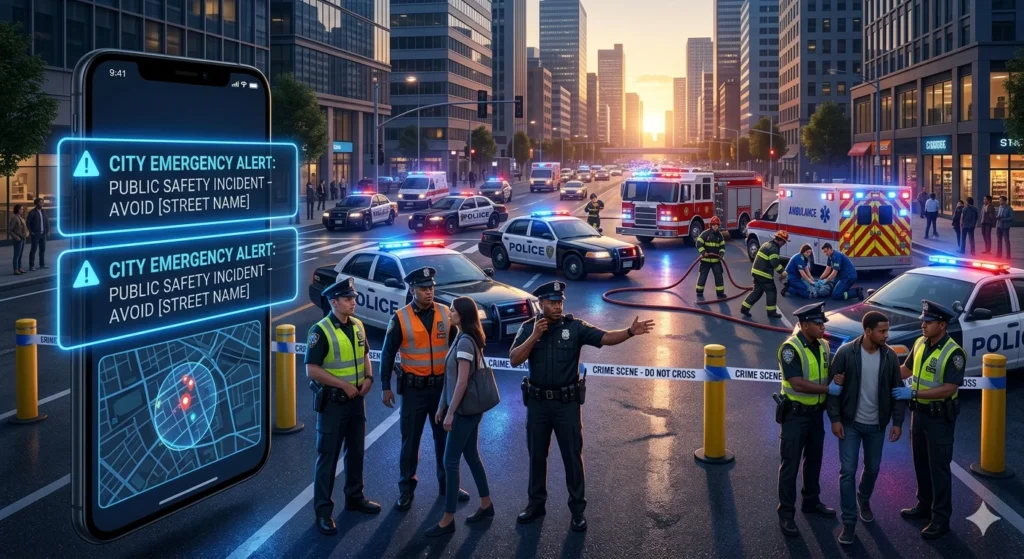
In law enforcement, a Blue Alert is specifically designed to:
- Protect police officers
- Warn the public about dangerous suspects
- Increase suspect identification speed
- Improve public safety communication
The alert system helps authorities quickly share information during high-risk situations.
Many states use emergency broadcasting systems to distribute Blue Alerts instantly across large areas.
What Does Abbott Mean? Origin & Meaning Revealed
Blue Alert Meaning AMBER Alert
Many users search:
“Blue Alert meaning AMBER Alert”
This happens because both systems use emergency notifications.
However, the two alerts have different purposes.
| Alert Type | Purpose |
|---|---|
| AMBER Alert | Missing or abducted child |
| Blue Alert | Law enforcement emergency involving dangerous suspects |
| Silver Alert | Missing elderly or vulnerable adult |
| Red Alert | High-level emergency or danger warning |
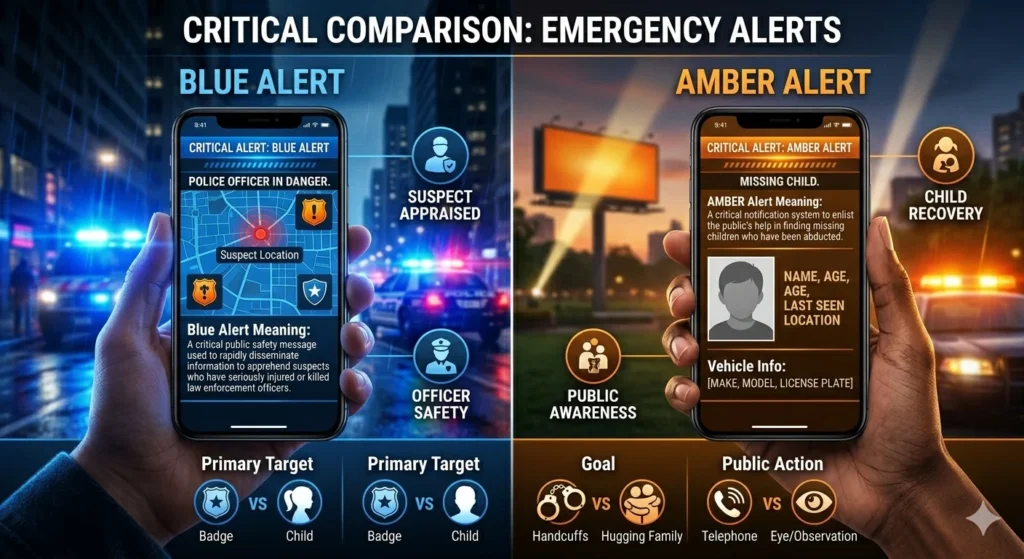
Blue Alerts focus on protecting law enforcement officers and communities.
AMBER Alerts focus on locating abducted children.
Blue Alert Meaning Hospital
Another common search query is:
“Blue alert meaning hospital”
In hospitals, “Code Blue” or “Blue Alert” may refer to a medical emergency.
Depending on the hospital system, it can indicate:
- Cardiac arrest
- Respiratory emergency
- Medical crisis requiring urgent response
- Emergency resuscitation team activation
This meaning is completely different from the public safety Blue Alert system used by law enforcement agencies.
Blue Alert Meaning Weather
A very common misunderstanding online is believing a Blue Alert is a weather warning.
In the United States:
Blue Alerts are NOT weather alerts.
Blue Alerts specifically relate to:
- Law enforcement emergencies
- Dangerous suspects
- Officer safety incidents
- Public safety communication
Weather alerts usually involve:
- Tornado warnings
- Flood emergencies
- Hurricanes
- Severe thunderstorms
- Winter storm alerts
The confusion happens because both weather alerts and Blue Alerts are often delivered through the same emergency notification systems on smartphones and televisions.
So if you searched:
- Blue alert meaning weather
- What does a blue warning mean?
- Is Blue Alert a weather alert?
The answer is:
No — in the United States, Blue Alerts are public safety notifications connected to law enforcement incidents, not weather emergencies.
Blue Alert Meaning in Typhoon Contexts
Some users search “Blue alert meaning in typhoon” because certain countries use color-coded weather warning systems.
In some regions outside the United States, “Blue Alert” may refer to:
- Storm preparedness levels
- Heavy rainfall warnings
- Typhoon monitoring systems
However, in the United States, Blue Alerts are primarily connected with law enforcement emergencies.
Blue Alert Memphis TN
Searches for:
- Blue Alert Memphis TN
- Blue Alert Memphis TN today
- Blue Alert meaning Memphis TN
usually happen when Tennessee authorities issue statewide emergency notifications.
In Tennessee, Blue Alerts are distributed through:
- Mobile emergency notifications
- Tennessee emergency systems
- News broadcasts
- Highway alert signs
These alerts are often connected to active law enforcement investigations involving dangerous suspects.
Because Memphis is a major Tennessee city, many users search the term after receiving statewide alerts.
Cabrón Meaning: Why This Spanish Slang Confuses People
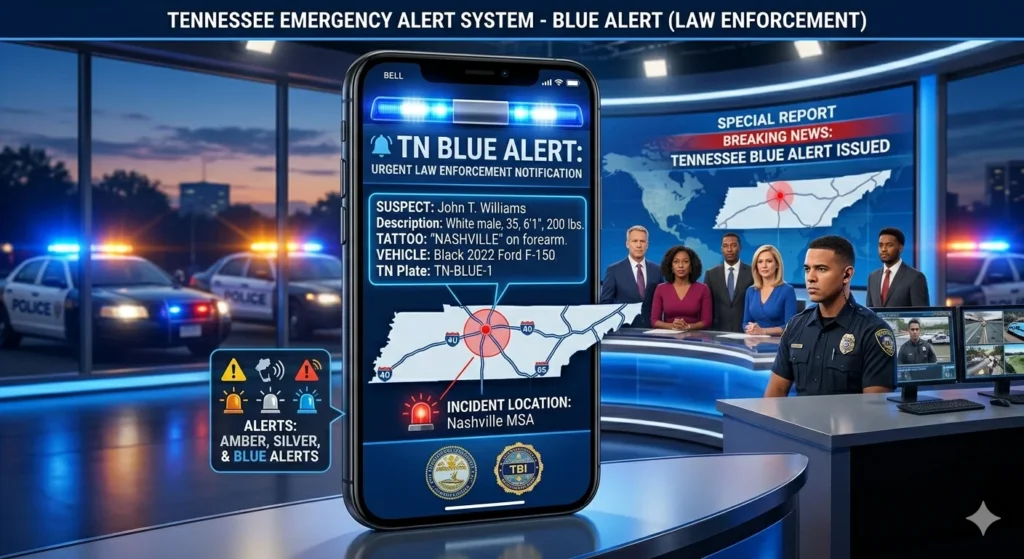
Tennessee Blue Alert Meaning
People also search:
- TN Blue Alert meaning
- Tennessee Blue Alert meaning
- Blue alert meaning Tennessee
- Blue Alert TN
In Tennessee, a Blue Alert is issued when:
- A law enforcement officer is seriously injured or killed
- A suspect remains dangerous or at large
- Authorities believe public awareness may help the investigation
The Tennessee Bureau of Investigation (TBI) often coordinates these alerts.
TBI Blue Alert Meaning
TBI stands for:
Tennessee Bureau of Investigation
When users search “TBI Blue Alert meaning,” they are usually referring to emergency notifications issued through Tennessee law enforcement systems.
TBI Blue Alerts are designed to:
- Protect communities
- Locate dangerous suspects
- Assist police investigations
- Warn the public quickly
Florida Blue Alert Meaning
Florida Blue Alerts work similarly to other state systems.
A Florida Blue Alert may be issued when:
- A law enforcement officer is attacked
- A suspect poses a serious threat
- Authorities need urgent public awareness
These alerts are distributed across emergency broadcasting systems and mobile devices.
NC Blue Alert Meaning
North Carolina Blue Alerts are public safety notifications connected with dangerous incidents involving law enforcement officers.
The system helps:
- Alert nearby communities
- Share suspect information
- Improve emergency response coordination
North Carolina residents may receive alerts directly on mobile devices.
SC Blue Alert Meaning
SC Blue Alert meaning refers to South Carolina’s emergency alert system related to attacks or threats against law enforcement officers.
These alerts are intended to:
- Improve public awareness
- Increase officer safety
- Help locate dangerous suspects quickly
SLED Blue Alert Meaning
SLED stands for:
South Carolina Law Enforcement Division
When users search “SLED Blue Alert meaning,” they are usually referring to emergency alerts issued or coordinated through South Carolina law enforcement agencies.
Blue Alert Meaning Missouri
Missouri also operates a Blue Alert system for dangerous incidents involving police officers.
Missouri Blue Alerts may include:
- Vehicle descriptions
- Suspect information
- Emergency instructions
- Public safety warnings
These alerts help law enforcement respond more quickly to active threats.
Blue Alert Meaning Dallas
Searches for “Blue Alert meaning Dallas” often increase after emergency notifications in Texas.
Texas uses Blue Alerts to warn communities when dangerous suspects are connected to attacks on law enforcement officers.
Dallas residents may receive alerts through:
- Emergency smartphone notifications
- TV broadcasts
- Highway signs
- News updates
Law Enforcement Blue Alert Meaning Texas
Texas operates one of the most recognized Blue Alert systems in the United States.
In Texas, Blue Alerts are issued when:
- A law enforcement officer is seriously injured or killed
- Authorities believe the suspect poses a threat
- Public help could assist investigations
Because Texas is large, Blue Alerts can sometimes appear statewide.
Current Blue Alert in My Area
Many users search:
- Current Blue Alert in my area
- Blue Alert near me
Usually after receiving emergency phone notifications.
To check whether a Blue Alert is active nearby, you can:
- Follow local police departments
- Check state emergency management websites
- Watch local news updates
- Monitor official public safety social media accounts
Avoid relying on rumors or unverified online posts.
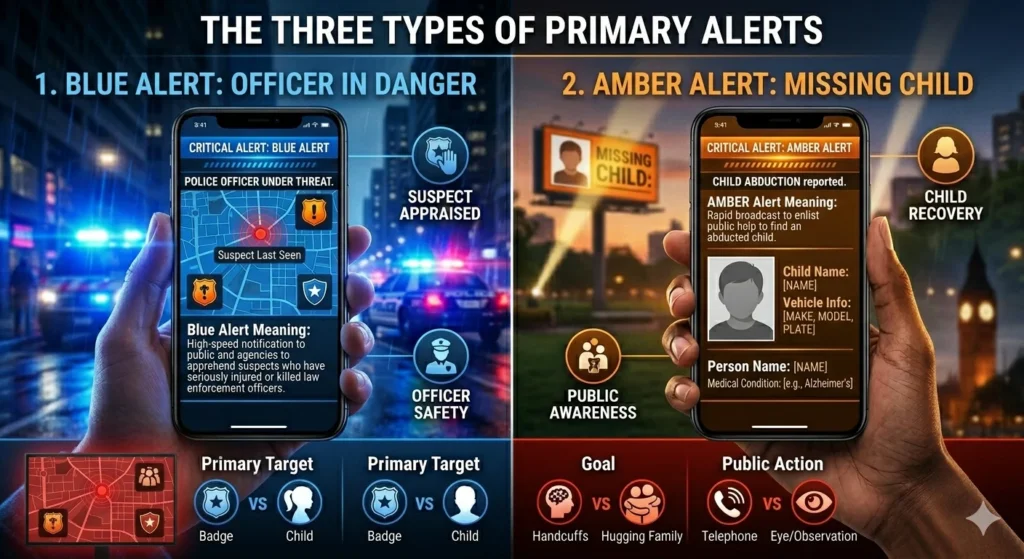
What Are the Three Types of Alerts?
People often ask:
“What are the three types of alerts?”
Although there are many emergency alerts, three of the most commonly recognized include:
| Alert Type | Purpose |
|---|---|
| AMBER Alert | Missing or abducted child |
| Silver Alert | Missing elderly or vulnerable adult |
| Blue Alert | Law enforcement emergency involving dangerous suspects |
Some areas also use:
- Weather alerts
- Red alerts
- Emergency evacuation alerts
- Public safety notifications
What Is the Highest Alert Color?
The meaning of alert colors depends on the system being used.
In many emergency systems:
- Red is commonly considered the highest danger level
- Blue usually represents law enforcement emergencies
- Amber focuses on child abductions
- Silver focuses on missing seniors
However, alert colors vary by country, agency, and emergency system.
What Does a Blue Warning Mean?
A “blue warning” usually refers to:
- A Blue Alert emergency notification
- A law enforcement safety incident
- A police-related public safety warning
In some medical or weather systems, the meaning may differ depending on local terminology.
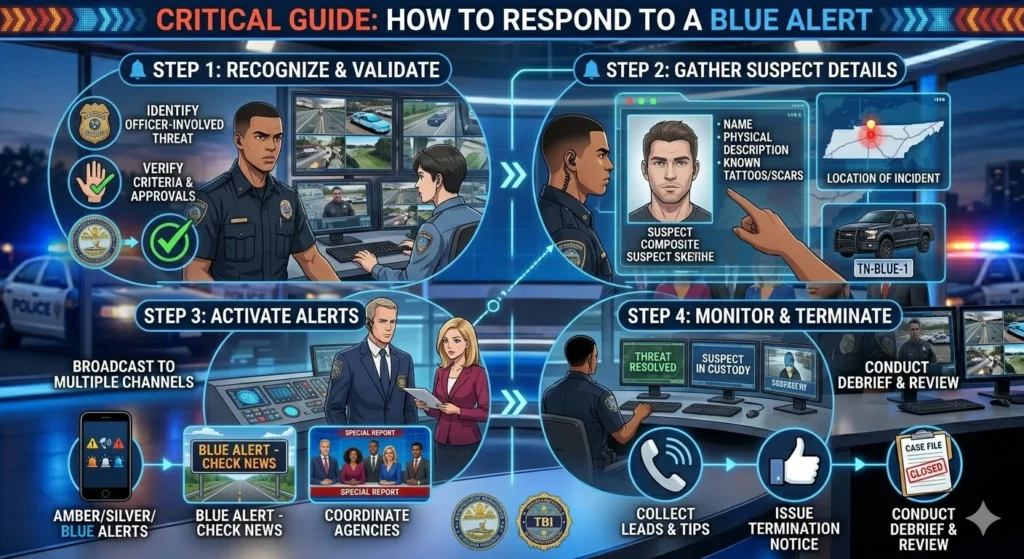
How to Respond to a Blue Alert
If you receive a Blue Alert on your phone, television, or radio, follow these important safety steps.
1. Stay Calm
Blue Alerts are meant to increase awareness — not create panic.
Read the alert carefully before reacting.
2. Review the Emergency Information
Most alerts include:
- Suspect descriptions
- Vehicle details
- Last known location
- Safety recommendations
- Law enforcement instructions
3. Avoid Dangerous Situations
Do not attempt to confront suspects yourself.
Blue Alerts often involve individuals considered armed or dangerous.
4. Follow Trusted Sources Only
Check updates from:
- Police departments
- Emergency management agencies
- Local news stations
- Official government pages
5. Avoid Spreading Misinformation
False rumors on social media can:
- Create unnecessary panic
- Harm investigations
- Spread incorrect suspect information
- Reduce emergency response efficiency
Always verify information before reposting.
6. Stay Aware of Your Surroundings
If the alert affects your area, remain alert and report relevant information to authorities through official emergency channels.
People Also Ask About Blue Alerts
Is a Blue Alert dangerous?
A Blue Alert itself is not dangerous, but it warns about suspects who may pose a serious public safety risk.
Why did my phone suddenly make a loud emergency sound?
Emergency alerts use special notification systems designed to immediately capture public attention during urgent situations.
Are Blue Alerts sent to everyone?
Not always. Distribution depends on:
- Location
- State systems
- Emergency severity
- Public safety risk level
Can I turn off Blue Alerts?
Some smartphones allow users to manage emergency notification settings, though availability depends on the device and region.
Are Blue Alerts real emergencies?
Yes. Blue Alerts are official emergency notifications issued by authorized law enforcement or emergency agencies.
Why are Blue Alerts sometimes statewide?
Authorities may issue alerts across larger areas when suspects are mobile or considered highly dangerous.
Common Misunderstandings About Blue Alerts
Mistake 1: Thinking It’s a Weather Warning
Blue Alerts are unrelated to storms or severe weather.
Mistake 2: Confusing Blue Alerts with AMBER Alerts
AMBER Alerts involve missing children.
Blue Alerts involve dangerous suspects connected to attacks on law enforcement officers.
Mistake 3: Assuming the Danger Is Always Nearby
Some Blue Alerts may cover large regions or entire states.
Mistake 4: Believing Every Blue Alert Means a Lockdown
Blue Alerts are public safety notifications, not automatic lockdown orders.
Why Blue Alerts Matter
Blue Alerts help:
- Protect communities
- Increase officer safety
- Speed up suspect identification
- Improve emergency communication
- Encourage public awareness
Modern emergency alert systems play an important role in public safety and law enforcement coordination.
Frequently Asked Questions
What is the meaning of Blue Alert?
A Blue Alert is a public safety emergency notification related to dangerous incidents involving law enforcement officers.
Why was Blue Alert issued today?
Blue Alerts are issued when authorities need urgent public awareness after an officer is attacked, injured, killed, or threatened.
What does a Blue warning mean?
A Blue warning usually refers to a law enforcement emergency alert connected to dangerous suspects.
What is Blue Alert meaning hospital?
In hospitals, Blue Alert or Code Blue may refer to a medical emergency requiring immediate response.
Is Blue Alert the same as AMBER Alert?
No. AMBER Alerts involve child abductions, while Blue Alerts involve law enforcement emergencies.
What is TN Blue Alert meaning?
TN Blue Alert refers to Tennessee’s emergency alert system for dangerous incidents involving law enforcement officers.
What is TBI Blue Alert meaning?
TBI Blue Alert refers to emergency notifications coordinated by the Tennessee Bureau of Investigation.
What is Florida Blue Alert meaning?
Florida Blue Alerts warn the public about dangerous suspects connected to attacks on law enforcement officers.
What is the highest alert color?
In many systems, red is considered the highest danger level, though meanings vary depending on the agency.
Are Blue Alerts weather warnings?
No. Blue Alerts are public safety alerts, not weather warnings.
Final Thoughts
A Blue Alert is far more than just another loud phone notification.
It’s an important public safety communication system designed to:
- Protect communities
- Improve officer safety
- Help locate dangerous suspects
- Increase emergency awareness
- Support faster law enforcement response
Although many people confuse Blue Alerts with weather warnings, hospital emergency codes, or AMBER Alerts, the system specifically focuses on dangerous incidents involving law enforcement officers and public safety threats.
You now have a complete understanding of how Blue Alerts work, why they are issued, and how to respond responsibly.
As emergency communication systems continue evolving in 2026 and beyond, Blue Alerts will likely remain an important tool for public safety, emergency coordination, and law enforcement response across the United States.
The next time you receive a Blue Alert, you’ll know exactly what it means — and why staying informed matters.

Dolly Parton is a professional content writer at maeningg.com, specializing in clear, engaging, and well-researched digital content. With strong expertise in writing about text slang, meanings, lifestyle, and informative articles, Dolly focuses on helping readers understand internet language in a simple and relatable way.