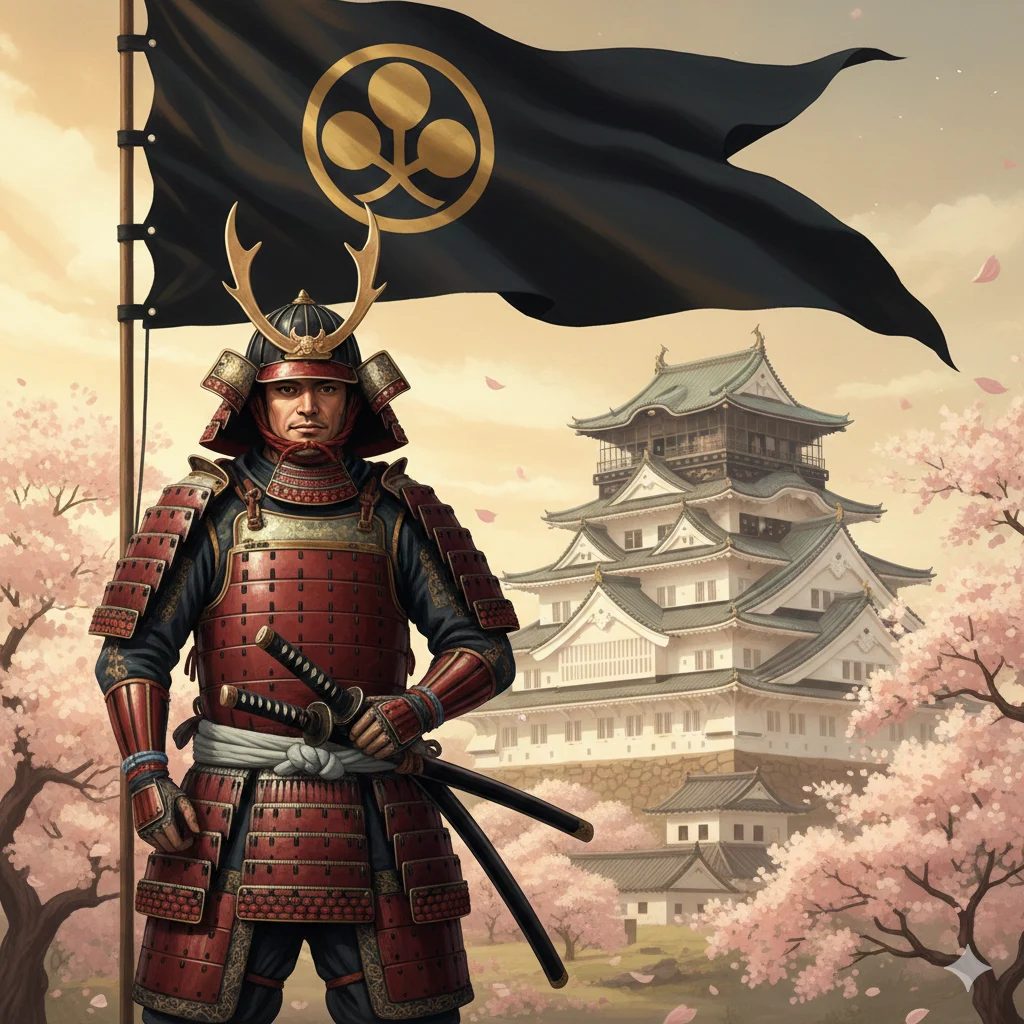
Have you ever come across the word “Hatamoto” while watching a samurai film or reading about feudal Japan and wondered what it actually means? You’re not alone!
This historical term holds deep cultural and social importance in Japanese history.
In this guide, we’ll break down what “Hatamoto” means, its origin, historical role, modern references, and how it’s used today in pop culture.
By the end, you’ll fully understand the meaning of Hatamoto, its context in Japanese society, and how it still shows up in today’s conversations and media.
⚔️ What Does Hatamoto Mean?
Hatamoto (Japanese: 旗本) literally means “under the banner” or “bannerman.”
It refers to the samurai who served directly under the Tokugawa shogun during Japan’s Edo period (1603–1868).
In simple terms, a Hatamoto was an elite samurai, personally loyal to the shogun — similar to a royal bodyguard or knight serving a king.
🏰 Origin and Historical Background
The term “Hatamoto” originated during Japan’s feudal era, particularly under the Tokugawa shogunate, which ruled from the early 1600s to the mid-1800s.
- “Hata” (旗) means flag or banner, and “Moto” (本) means base or origin.
- Together, the phrase described warriors who stood close to the shogun’s banner during battles — symbolizing their direct allegiance and high rank.
Over time, Hatamoto became an official social class in Edo-period Japan. They enjoyed privileges like stipends, direct audience with the shogun, and authority over lesser samurai.
By the late Edo period, the Hatamoto class included thousands of families serving administrative, military, or ceremonial roles in the shogunate.
🌏 Hatamoto Meaning in Different Contexts

While originally a historical title, “Hatamoto” can appear in various modern contexts:
🎬 In Pop Culture
- In movies, anime, and games, Hatamoto often represents elite samurai warriors or noble retainers of the shogun.
- Example: A Hatamoto character in a samurai drama might serve as the shogun’s loyal protector or trusted commander.
📚 In Historical Discussions
- Historians use the term Hatamoto to classify upper-ranking samurai families in the Tokugawa hierarchy.
- It helps distinguish them from Gokenin — lower-ranking retainers.
💬 In Modern Conversation
- Although not used in daily Japanese, some enthusiasts or martial arts practitioners might use “Hatamoto” metaphorically to mean a loyal follower or trusted right-hand person.
📊 Table: Hatamoto Meaning Across Contexts
| Context | Meaning | Example |
| Historical (Edo Japan) | Direct samurai retainers of the shogun | “He was promoted to Hatamoto for his bravery.” |
| Pop Culture | Elite samurai or loyal warrior | “The anime depicts him as a fearless Hatamoto.” |
| Modern Usage | Loyal supporter or right-hand ally | “She’s the CEO’s Hatamoto in every project.” |
🗡️ Examples of “Hatamoto” in Use
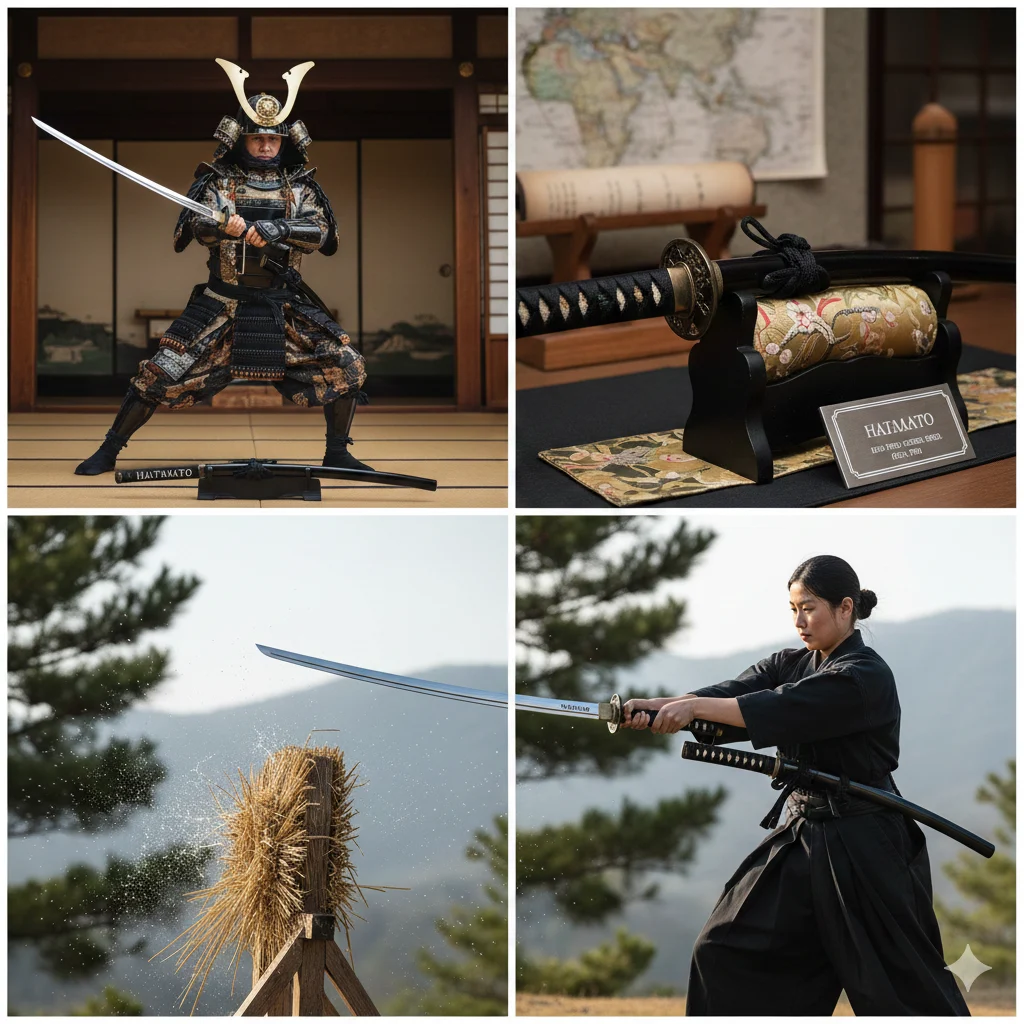
Here are a few examples showing how the term might appear in different settings:
🎥 Historical Drama Example:
“The Hatamoto drew his sword, defending the shogun with unwavering loyalty.”
📘 Academic Usage:
“During the Tokugawa era, Hatamoto families held administrative positions within the shogunate.”
🗣️ Modern Figurative Example:
“He’s the Hatamoto of our team — always standing by the leader no matter what.”
🌈 Rainbow Kiss Meaning: What It Really Means and Where It Came From
🔍 Similar or Related Terms
To better understand Hatamoto, here are a few related Japanese historical and cultural terms:
| Term | Meaning | Relation to Hatamoto |
| Samurai | Warrior class in feudal Japan | Hatamoto were elite samurai |
| Shogun | Military ruler of Japan | Hatamoto served directly under the shogun |
| Daimyo | Feudal lord governing large territories | Ranked above Hatamoto in hierarchy |
| Gokenin | Lower-ranking vassals of the shogun | Ranked below Hatamoto |
These terms help paint the full picture of Japan’s feudal structure and where Hatamoto fit within it.
🧭 How to Use “Hatamoto” Correctly
✅ Do:
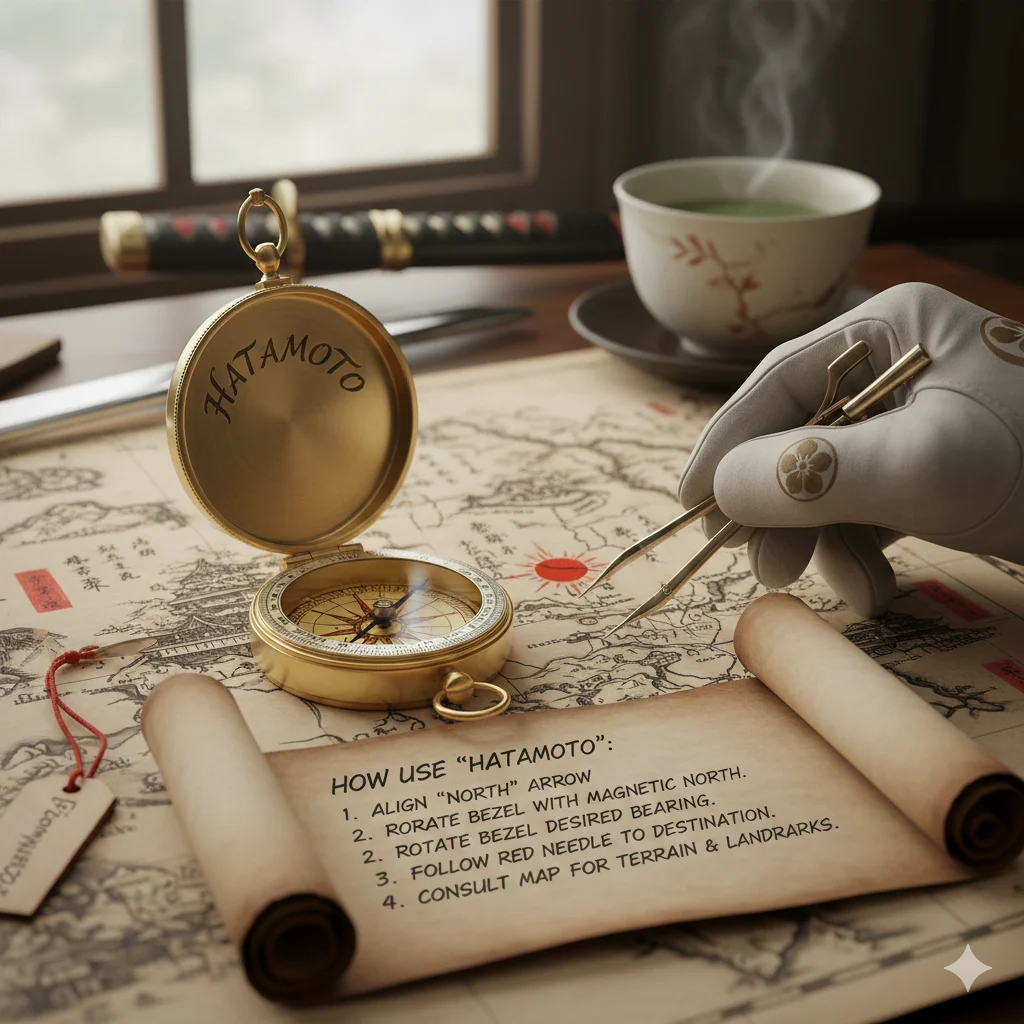
- Use “Hatamoto” when referring to samurai serving the Tokugawa shogunate.
- Mention it in historical discussions, pop culture reviews, or academic contexts.
❌ Don’t:
- Use it casually for unrelated topics (e.g., “He’s my Hatamoto” in a corporate setting may sound odd unless used figuratively).
- Confuse it with general “samurai” — all Hatamoto were samurai, but not all samurai were Hatamoto.
⚠️ Common Misinterpretations
Many people mistakenly believe that:
- Hatamoto means “bodyguard.”
While they often protected the shogun, Hatamoto were more than guards — they held political and administrative duties. - Hatamoto refers to any samurai.
Incorrect — it was an elite title, not a generic label for all samurai.
Understanding this distinction helps preserve the accuracy of Japanese historical terms.
❓ FAQs About “Hatamoto”
1. What does Hatamoto mean in Japanese?
“Hatamoto” means “under the banner” — referring to samurai who served directly under the Tokugawa shogun in feudal Japan.
2. Was Hatamoto a rank or title?
It was both a social rank and an honorific title, representing a class of samurai who had personal access to the shogun.
3. What was the difference between Hatamoto and Gokenin?
Hatamoto were higher-ranking retainers with direct audience rights with the shogun, while Gokenin were lower-ranking vassals.
4. Are Hatamoto still around today?
Not officially. The title ended with the fall of the Tokugawa shogunate in 1868, but descendants of Hatamoto families still exist.
5. Is Hatamoto used in anime or games?
Yes! Many historical anime or video games (like Samurai Warriors or Rurouni Kenshin) include Hatamoto characters as loyal, high-ranking samurai.
6. Can “Hatamoto” be used metaphorically today?
Yes, sometimes it’s used to describe someone’s most trusted supporter — like a right-hand man.
🏆 Conclusion
Now you know that Hatamoto means much more than just “samurai.”
It represents a powerful symbol of loyalty, duty, and honor in Japan’s rich history. From standing under the shogun’s banner to inspiring stories in today’s pop culture, the legacy of the Hatamoto continues to fascinate and inspire.
So next time you hear or read the term, you’ll know — it’s not just a title, but a story of unwavering service and elite status in samurai tradition.
Kris Kristofferson is a professional content writer at maeningg.com, specializing in clear, engaging, and well-researched digital content. With strong expertise in writing about text slang, meanings, lifestyle, and informative articles, Kris focuses on helping readers understand internet language in a simple and relatable way.