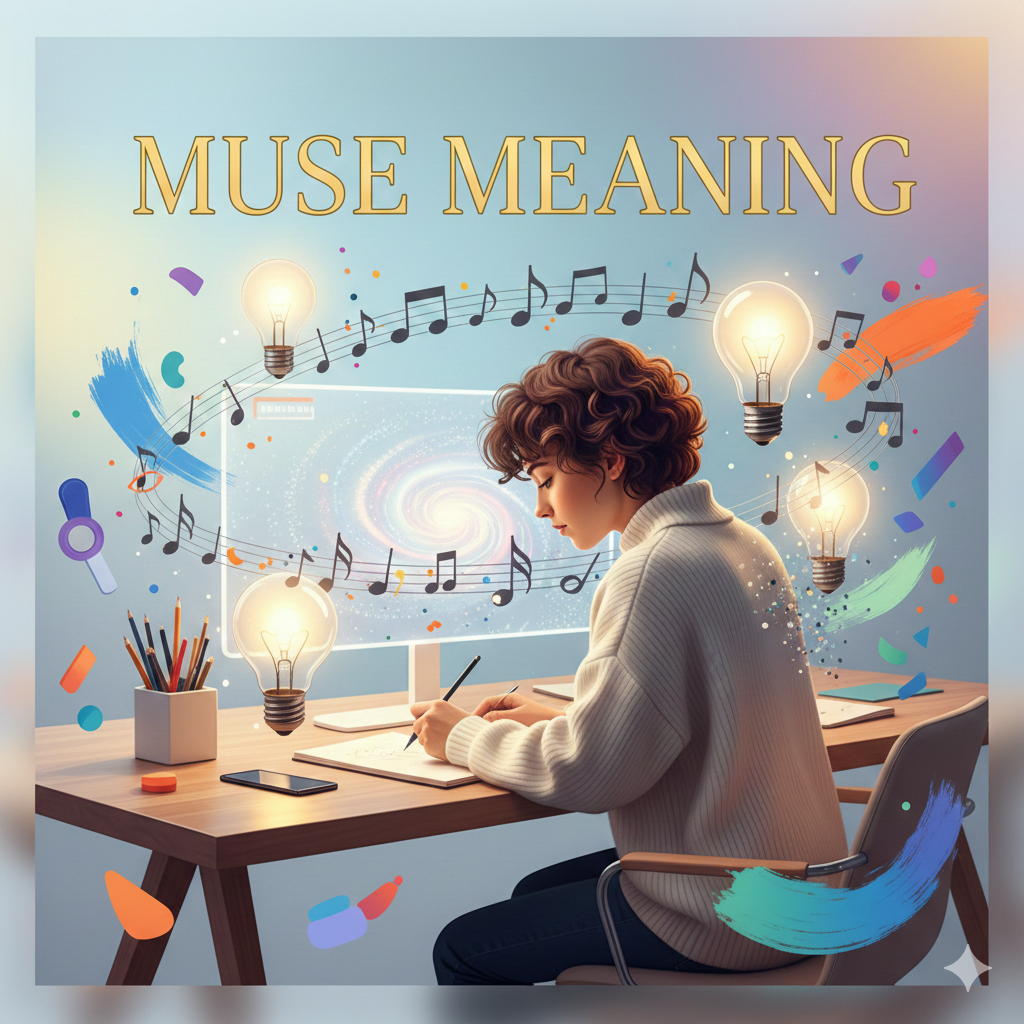
Ever come across someone saying they’re your “muse” and wondered what it really means? Or maybe you’ve seen it used in captions on Instagram or TikTok and weren’t sure if it’s a compliment, a role, or something else entirely. Muse is a term that has deep historical roots but has also evolved in modern slang and pop culture.
In simple terms, a muse is someone or something that inspires creativity, motivation, or admiration. But there’s more to it than just inspiration—it can be romantic, artistic, or even professional.
In this article, we’ll cover:
- The definition of muse
- Its origin and popularity
- Platform-specific meanings
- Real-life examples
- Related terms and FAQs
By the end, you’ll fully understand the meaning of muse and how to use it correctly in conversations, texts, or social media posts.
What Does Muse Mean?
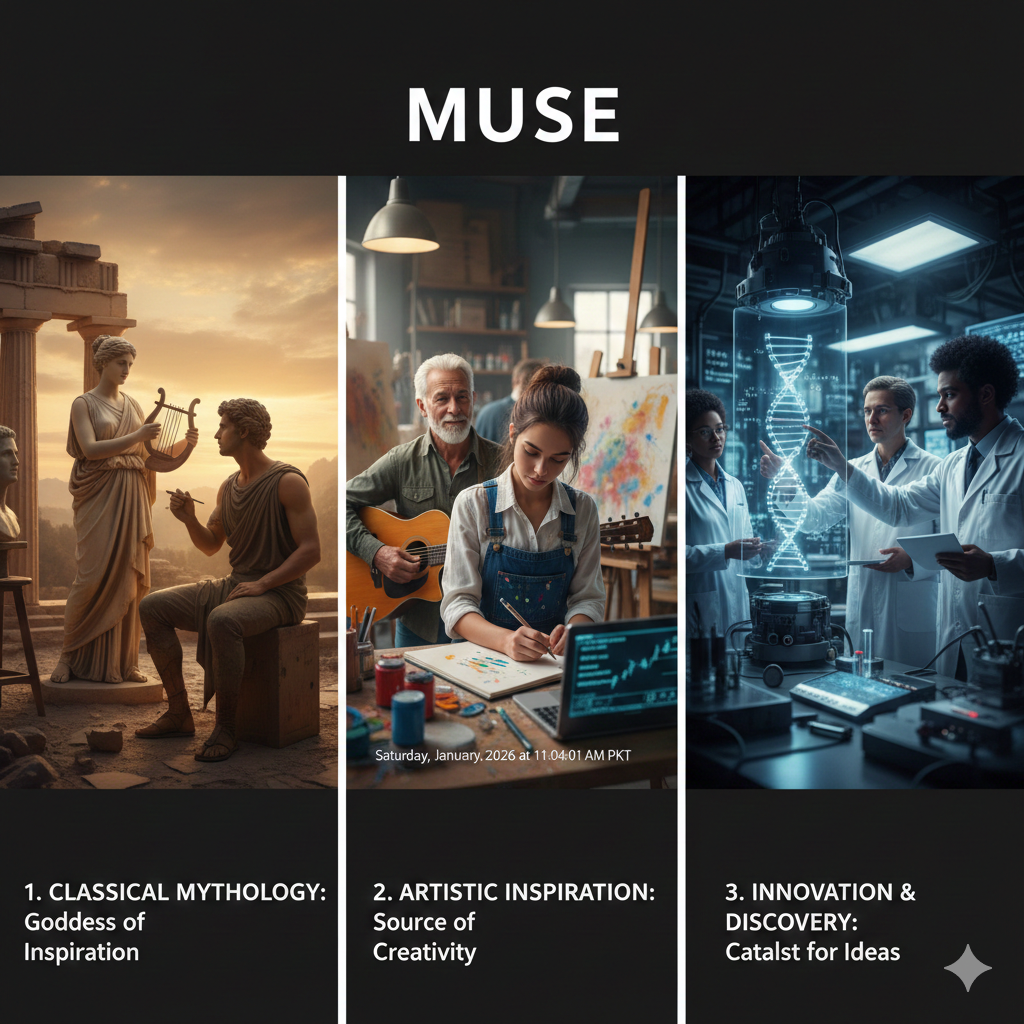
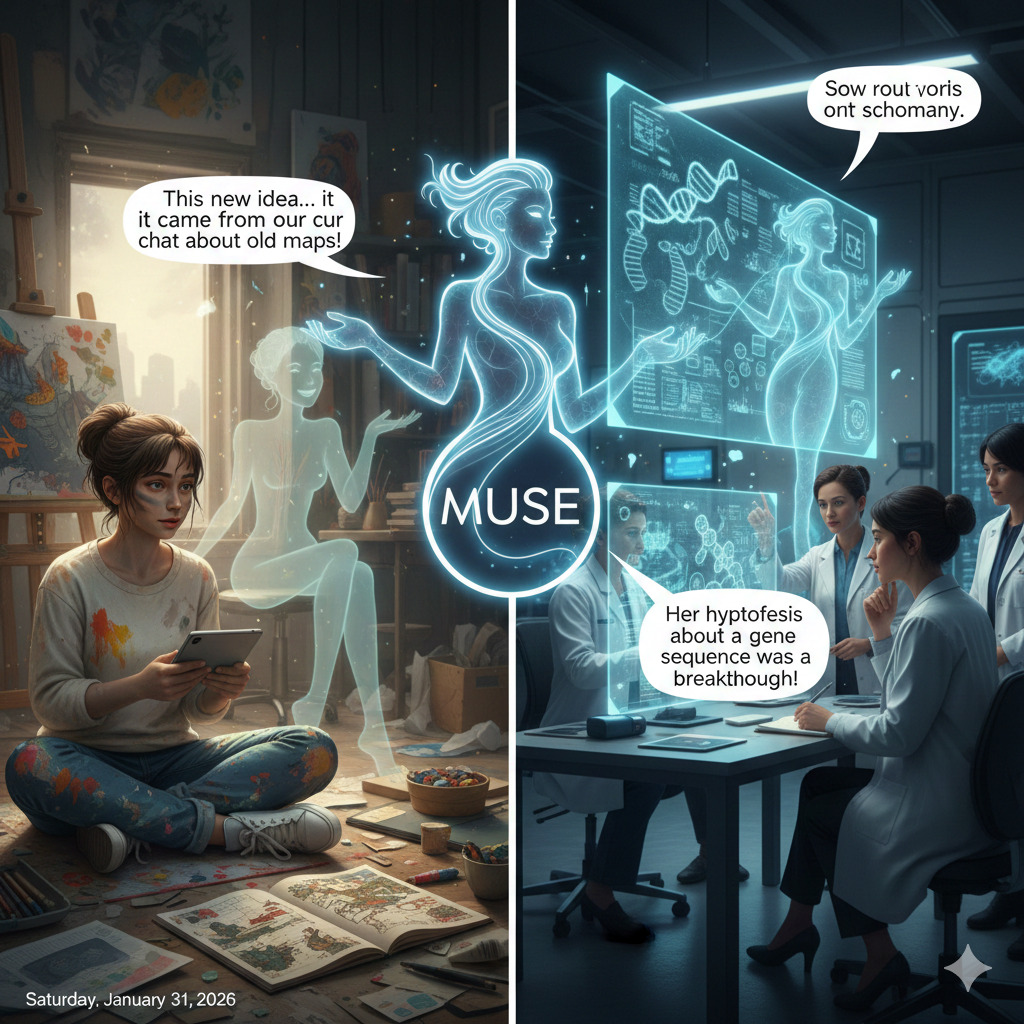
A muse is a person, idea, or object that sparks creativity or inspiration. It can be a romantic interest, a friend, or even an abstract concept.
- Type: Noun
- Usage: Common in art, literature, music, and casual conversation
- Example:
“She has always been his muse for painting.”
In texting or social media, calling someone your muse often implies admiration or inspiration rather than literal artistic collaboration.
Origin and Popularity
The term muse originates from Greek mythology, where the Muses were nine goddesses who inspired art, literature, and science. Over centuries, the word transitioned from mythological roots to everyday language as a symbol of inspiration.
- Renaissance Era: Writers and artists referred to their muses in poetry and painting.
- Modern Usage: The 20th century saw muses appearing in music, movies, and literature.
- Pop Culture Trend: On social media platforms like Instagram, TikTok, and Twitter, calling someone your muse has become a compliment for inspiring creativity or style.
Timeline Example:
- 5th century BCE: Greek Muses worshiped
- 16th–17th century: Renaissance poets reference muses
- 21st century: Muse used in casual texts, social media captions, and pop culture
🎯 Conundrum Meaning: Definition, Origin, and Real-Life Usage
Muse Meaning in Different Contexts
1. In Texting
- Casual usage
- Implies admiration or inspiration
- Example:
Friend 1: “You’re my muse 😍”
Friend 2: “Aww, thanks!”
2. On Instagram / TikTok
- Often used in captions for artistic photos, fashion posts, or creative projects
- Suggests someone is a source of style or aesthetic inspiration
- Example:
Caption: “She’s my muse for this shoot ✨”
3. In Business / Formal Chats
- Rarely used formally
- Can refer metaphorically to a motivating factor or innovative idea
- Example:
“The campaign’s muse was a simple yet bold concept that drove the team forward.”
Comparison Table:
| Platform | Meaning | Tone | Example |
| Texting | Admiration / Inspiration | Casual | “You’re my muse” |
| Instagram / TikTok | Creative or aesthetic inspiration | Fun / Stylish | “She’s my muse for this look” |
| Business / Formal | Motivating idea or factor | Professional | “Our muse for innovation was simplicity” |
Examples of Muse in Conversations
Casual Examples:
Friend 1: “You’re such a muse for my playlist!”
Friend 2: “Glad I could inspire you 😄”
Friend 1: “She’s my muse for every drawing I make.”
Friend 2: “Wow, that’s so sweet!”
Formal Example:
Manager: “The team considered customer feedback as a muse for our new product design.”
Similar or Related Terms
- Inspiration: General motivation for creativity or action
- Mentor: Someone guiding or advising, not necessarily inspiring art
- Icon: A person admired for their style or achievements
- Influencer: Modern social media figure inspiring trends
Comparison Table:
| Term | Meaning | Usage Context |
| Muse | Source of creative inspiration | Art, social media, texting |
| Inspiration | Motivation for creativity or action | Art, business, life |
| Mentor | Guidance and support | Professional / Personal |
| Icon | Admired figure | Fashion, pop culture |
| Influencer | Trendsetter and content creator | Social media |
How to Use Muse Correctly
✅ Do’s:
- Use with friends, followers, or creators you admire
- Use in captions to compliment creativity or style
- Use metaphorically in professional discussions
❌ Don’ts:
- Avoid using it in strict formal communication as a personal compliment
- Don’t assume romantic meaning unless context allows
Common Mistakes or Misinterpretations
- Muse ≠ Romantic Partner: While admiration can be affectionate, calling someone a muse doesn’t always imply romance.
- Not interchangeable with Mentor: A mentor guides, a muse inspires.
- Social Media Usage: Sometimes overused as a casual compliment; context matters.
FAQ Section
1. What does muse mean in texting?
In texting, muse refers to someone who inspires or motivates you creatively. It’s often used casually to compliment friends, artists, or influencers.
2. Is muse slang or formal?
It’s not slang, but its modern casual usage on social media and texting gives it a friendly, conversational tone.
3. What’s the difference between muse and inspiration?
A muse is usually a person or entity specifically sparking creativity, whereas inspiration is broader and can come from ideas, nature, or experiences.
4. How do you reply to someone calling you their muse?
A friendly acknowledgment works best: “Thanks! Happy to inspire 😊” or “Aww, that’s sweet of you!”
5. Where is muse most used?
It’s common in artistic communities, social media captions, texting among friends, and occasionally in professional creative contexts.
6. When should you not use muse?
Avoid using it in highly formal or professional emails unless referring metaphorically to ideas, projects, or concepts.
Conclusion
The word muse carries centuries of meaning, from its Greek mythological roots to modern-day social media usage. Whether it’s a friend, celebrity, or abstract concept, a muse is anyone or anything that inspires creativity, admiration, or motivation.
Understanding the context is key—while texting and social media use is casual and complimentary, formal environments use it metaphorically for ideas or projects. Using muse correctly ensures your messages or captions convey the right tone and appreciation.
Now that you know what muse means, you’ll never be confused again! Keep exploring our site for more internet slang, trending phrases, and fun cultural insights to stay in the loop.

Kris Kristofferson is a professional content writer at maeningg.com, specializing in clear, engaging, and well-researched digital content. With strong expertise in writing about text slang, meanings, lifestyle, and informative articles, Kris focuses on helping readers understand internet language in a simple and relatable way.